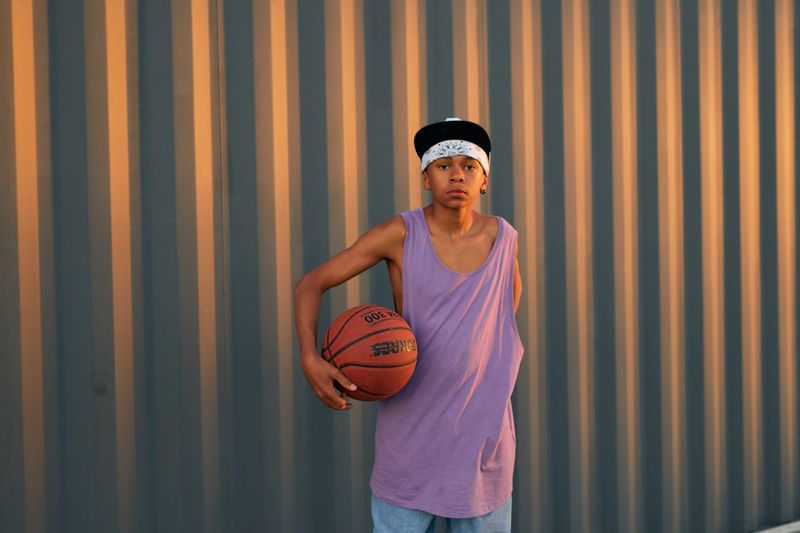
Resurfaced outdoor basketball courts with fresh paint and new rims appear regularly in American cities, funded by leagues, teams, brands and local foundations. The choice of public parks over other investments is deliberate.
The unit cost is unusually low
Resurfacing an existing court, replacing backboards and repainting lines is a small construction project compared with building a gymnasium or funding a program for years. The land and the slab already exist.
That makes it possible to complete many courts for the cost of one indoor facility, which matters to a funder measuring reach.
Maintenance obligations remain with the municipality, so the funder's commitment ends at the ribbon rather than continuing as an operating cost.
Outdoor courts serve unstructured play
Organized leagues require registration, fees, transportation and a schedule. A park court requires a ball and a walk, which is the lowest barrier to participation the sport has.
That makes park courts the venue for players outside organized programs, including older teenagers who have aged out of youth leagues and adults with no league to join.
A refurbishment reaches those people without creating an organization to administer, which is why it appeals to funders wary of ongoing commitments.
Condition determines whether a court gets used
Cracked surfaces, bent rims and missing nets suppress use quickly, and once use falls a court attracts less informal supervision. Deterioration compounds.
Reversing it restores a place where people gather, which municipalities value for reasons well beyond basketball. Park departments frequently cite this when accepting the projects.
Condition also signals whether a neighborhood is being maintained at all, which is why residents raise court repair at public meetings that have nothing else to do with sport.
Design choices affect who plays
Lighting extends usable hours and is the single most requested addition. Adjustable or lower rims on a secondary court bring in young children, and seating brings in families.
Courts designed only for competitive full-court play serve a narrow group. Those with mixed features tend to be busy across more hours and more ages.
Fencing and surfacing color are cosmetic in appearance and practical in effect, since a court that reads as cared for is treated as cared for by the people using it.
The follow-through is the weak point
A refurbished court with no maintenance plan returns to its prior condition within a few years. Nets and rims are consumables and someone has to replace them.
Projects that pair the construction with a local partner responsible for upkeep, whether a park department line item or a neighborhood group, last considerably longer. The paint is the easy part.