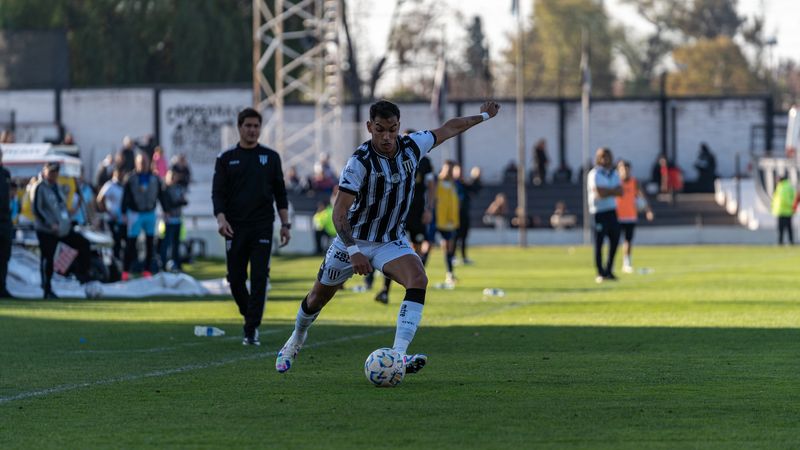
Off-ball shooters cover more ground than anyone on the floor, and their legs pay for it long before the box score notices.
Shooting yourself tired: the hidden cost of the movement three

Everyone talks about load management like it's a problem for centres and ball-dominant guards. Minutes, drives, physical collisions in the paint. Nobody mentions the player whose job is to sprint off two pindowns, curl, relocate, sprint back and do it again for thirty-four minutes without ever touching the ball for more than a second.
Movement shooting is brutal work and it hides in plain sight because none of it looks violent.
Consider the mechanics of a single wide pindown. The shooter starts in the corner, reads the defender's positioning, sprints roughly eighteen feet, decelerates hard off the inside foot to set up the curl, changes direction, then must generate a full vertical push from a body that is still absorbing horizontal momentum. That deceleration is the expensive part. Eccentric loading through the quad and the calf, repeated maybe forty times in a game, and every single one is a maximum-effort stop because a half-effort stop means the defender goes over the top and the possession is dead.
The consequence shows up as a specific pattern of decline. Legs go before the hands do. A tired shooter's release doesn't get uglier, it gets shorter, because the push from the floor is smaller and the arms quietly compensate. That's why fourth-quarter misses cluster short and why a shooter can look mechanically identical on film while making nothing. It's also why teams that stagger their shooter's rest into the last four minutes of the first and third quarters get better late shooting than teams that give them a clean eight-minute block.
Injury-wise the risk sits in the lower leg and the hips rather than anywhere glamorous. Achilles and plantar problems come from repeated hard braking on a stiff surface. Hip and adductor complaints come from the lateral push out of the curl. And it compounds when a shooter is also guarding the opponent's best off-ball scorer, chasing the same routes in the opposite direction, which is precisely the assignment most three-and-D wings get handed.
The fix isn't complicated, it's just unfashionable. Cap the number of full-effort screening actions per game and count them the way teams count drives. Give shooters more stationary spot-up work in the third quarter, when their legs are already fifty possessions deep. Accept that a slightly worse look from a fresh shooter beats a perfect look from a dead one.
Nobody's going to build a wellness protocol around running off screens. They should. The most fragile thing on most rosters isn't the centre's knees, it's a shooter's calves in April.
ADVERTISEMENT
🧠 Quick Trivia
How many points is a touchdown worth in American football before the extra point?
Related Articles