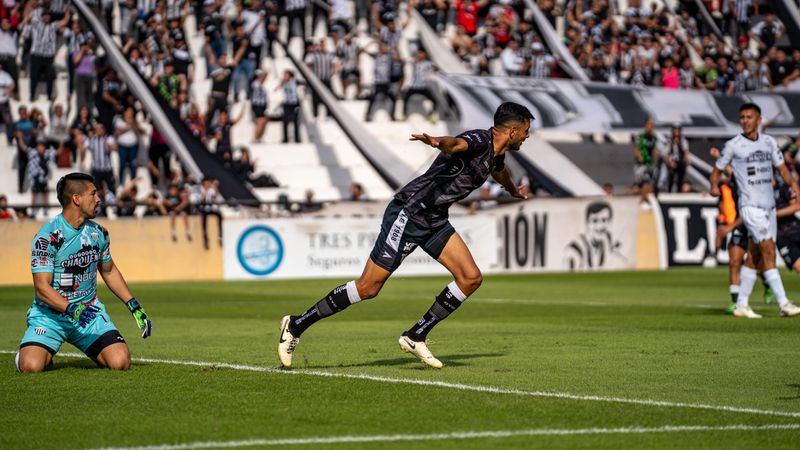
Tracking back became a moral virtue somewhere along the way, and a lot of managers are spending their most expensive legs on it.
Asking your best attacker to sprint back is costing you goals

The recovery run has excellent public relations. A winger chases sixty yards, slides in near his own corner flag, and the crowd applauds harder than they would for a dribble. He is showing he cares. He is doing the ugly side of the game.
He is also going to be knackered in the eightieth minute when the game is level and you need him to beat a man.
There is a real budget here and it gets ignored because the currency is invisible. A player has a finite number of high-intensity efforts in ninety minutes, somewhere in the region of a couple of dozen genuine sprints for most attackers, and every one you spend running toward your own goal is one you cannot spend running at somebody else's. That is a straightforward trade and it should be managed like one. Instead it gets treated as a question of attitude.
What good sides do is give the winger a rule rather than an instruction to work hard. Something like: if we lose the ball on your side, you press for three seconds and then stop. If we lose it on the far side, you do not run at all, you walk inside and become the outlet for when we win it back. That second half of the rule is the part managers cannot bring themselves to say out loud, because it looks like sanctioning laziness, and because if it goes wrong once the punditry will be brutal.
But it is correct. A high winger standing on the far side while his team defends is not shirking. He is the reason the clearance has somewhere to go, and he is the reason the opposition full-back cannot join the attack.
Where the recovery run genuinely pays is much narrower than the applause suggests: when the runner is between the ball and goal and can affect the shot, or when he is chasing a full-back who is about to arrive unmarked at the back post. Those are worth the effort every time. Chasing a centre-half who is going to pass sideways anyway is not, and it happens constantly.
My actual gripe is with how it is discussed. A forward who does not track is called selfish. A forward who tracks constantly and then cannot finish in the last twenty minutes is called unlucky in front of goal. Same player, same problem, two different explanations, and only one of them gets applied to the manager who set the instruction.
ADVERTISEMENT
🧠 Quick Trivia
How many points is a touchdown worth in American football before the extra point?
Related Articles