Roughly forty restarts a match, handed to you uncontested, and most teams treat every one of them as an inconvenience.
The throw-in is the transition nobody bothers to coach
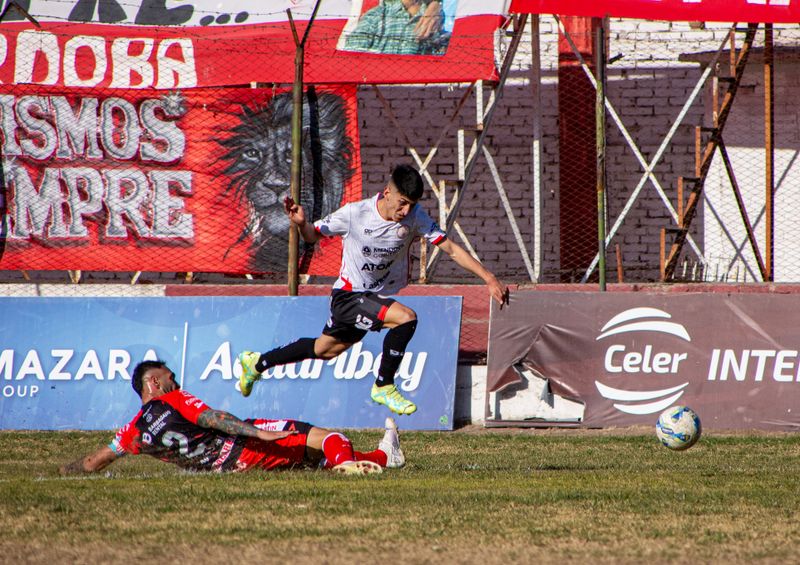
Count the throw-ins in the next match you watch. It will be somewhere near forty. Forty moments where your side has the ball, unopposed, with time to look up and everyone in position.
Now count how many of them your team loses inside two touches.
The standard sequence is depressing and universal. Full-back picks the ball up, glances around, throws it down the line at a winger who has his back to play and a defender climbing over him, and the winger either hooks it out for a goal kick or wins a corner off a shin. Possession surrendered voluntarily, in a phase where you started with every advantage.
The reason is that throw-ins are not coached in most places, and the reason for that is time. Training weeks are short, there is a shape to work on and a set-piece routine to rehearse, and throw-ins feel like the sort of thing that sorts itself out. They do not sort themselves out. Watch a side that has actually worked on them and the difference is obvious immediately: two players making opposite runs, one going short and taking a defender with him, the other coming to the ball as the first clears out, and a receiver who is already turned before the ball arrives because he knows what is coming.
The throw-in is also the only restart where the offside law does not apply to the receiver, which is a rule almost nobody exploits deliberately. From a throw in the attacking third, a forward can stand behind the last defender, entirely legally, and be found. Sides that remember this create chances out of nothing a few times a season while everyone else scratches their heads.
And then there is the long throw, which was allowed to become a cultural embarrassment. It is a genuinely effective delivery, it produces the exact chaotic second-ball situation that deep-defending teams cannot organise for, and it was abandoned mostly because it looked unsophisticated. Clubs that quietly reinstated it have been rewarded, and the sneering has quieted considerably.
The more general point is about where the marginal gains actually are. Everyone is optimising the build-up from goal kicks, which happens maybe fifteen times. Nobody is optimising the restart that happens forty times, is completely uncontested, and is currently a coin flip in most teams.
That is a strange set of priorities, and the first clubs to fix it were laughed at for years.
ADVERTISEMENT
🧠 Quick Trivia
How many points is a touchdown worth in American football before the extra point?
Related Articles