Basketball needs an indoor court, and indoor courts in an American community are finite, owned by institutions with other priorities. That scarcity determines more about local basketball than any coaching decision.
Almost all the courts belong to schools
The largest supply of gymnasium space in any American town sits inside school buildings, and those buildings are committed to their own athletics until late evening. What remains is what a community program can rent.
Park districts and community centers own some courts, and private facilities own more in larger metros, but neither approaches school inventory. Access agreements between districts and municipalities are therefore the critical infrastructure.
When a school changes custodial staffing or insurance terms, community access can shrink overnight with no basketball reason behind it at all.
Winter concentrates every indoor sport at once
Basketball, volleyball, wrestling, indoor soccer, futsal and cheer programs all want the same months and the same rooms. Demand peaks precisely when supply is fixed.
Programs respond by taking marginal hours: early Saturday mornings, late weeknights, and Sunday afternoons. Those slots then shape which age groups can participate.
Young children cannot play at nine at night, so the worst hours go to adult leagues and the oldest teenagers, and youth programs compete hard for the narrow prime window.
Cost follows scarcity directly
Private facility rental is priced per court hour and rises with demand, which puts it out of reach for low-fee community leagues. Those leagues live or die on subsidized public access.
Club programs that can charge higher fees rent private space and gain more practice time, which is one concrete way cost translates into development opportunity.
Outdoor courts do not substitute cleanly
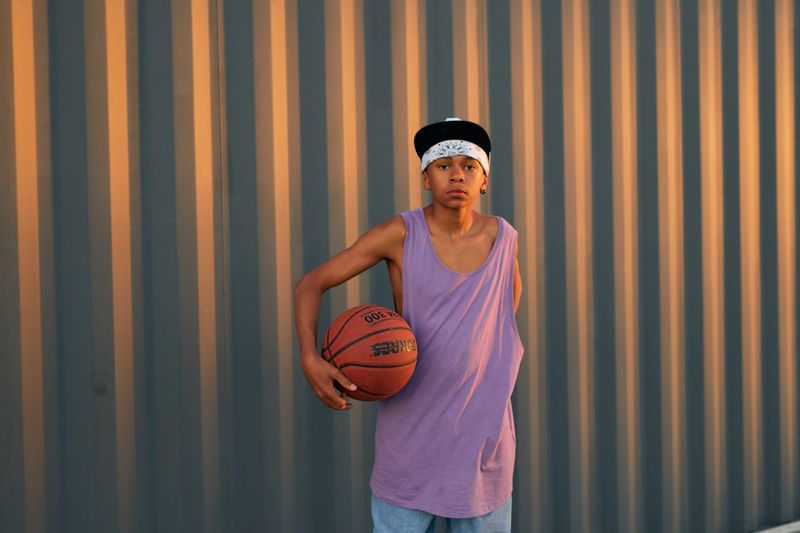
Public outdoor courts are numerous and free, and they support an enormous amount of informal play. They cannot host a scheduled league season in most climates.
Weather, lighting and surface condition make them unreliable for organized competition, so they complement rather than replace gym time.
Adding capacity is slow and political
A new gymnasium is a capital project competing with school buildings and public infrastructure, and it needs an operating budget once built. Communities take years to fund one.
The faster interventions are administrative: shared-use agreements, better scheduling software and opening school buildings during breaks. Those cost little and are the reason two similar towns can have very different amounts of basketball.