Full-backs still sprint outside the winger every week. Most of the time nobody intends to pass to them.
The overlap is now a decoy, and that is the point

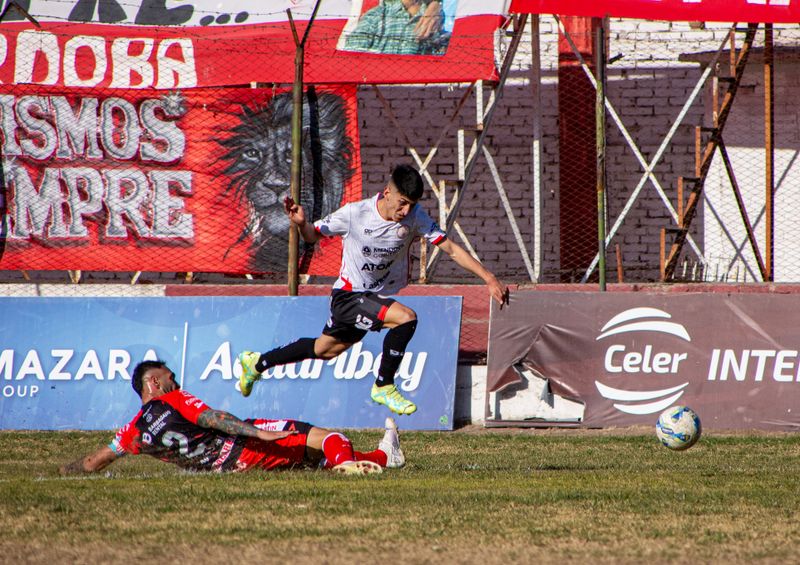
Watch the next time a right-back bombs past his winger down the touchline. Count how often he gets the ball. It is nowhere near as often as the run happens, and the coaching staff know that before he sets off.
The run is not a request. It is a question posed to the opposition left-back, and the question is: are you coming with me or not?
If he comes, he has stepped away from his centre-half and opened a corridor between them. That corridor is where the winger wants to go, cutting inside on his stronger foot, and it exists only because somebody made a run he had no intention of receiving. If the left-back stays home and lets a midfielder pick up the overlap instead, then the pass outside is genuinely on and it comes with the defensive line already stretched sideways. Either answer costs the defence something. That is what a good decoy does.
Which is why I get impatient with the pundit line about a full-back who overlapped forty times and only got three crosses in. Three crosses was never the return. The return is the six occasions his run dragged a defender out and the winger went inside him for a shot from the corner of the box.
The underlap is the more interesting cousin and it is still underused. Same idea, inside the winger rather than outside, running into the channel between centre-back and full-back. It arrives in a far more dangerous area, and it forces the centre-half to make the ugliest decision in defending, which is whether to leave his post and follow a runner into a space he cannot see the ball from. Teams that use it well tend to score scruffy goals from cut-backs, and scruffy goals from cut-backs are the most repeatable kind there is.
The real problem is timing, and it is almost always the same failure. The full-back goes too early. He arrives level with the winger before the winger has engaged his man, and now the defender can see both of them at once and simply drops off to cover both. Half a second later and the defender has to commit to one.
So when a full-back is criticised for an aimless run, look at what the winger did with the space instead. Sometimes there was no space. Often there was, and the man on the ball never looked up long enough to notice a defender had just walked away from him.
ADVERTISEMENT
🧠 Quick Trivia
How many points is a touchdown worth in American football before the extra point?
Related Articles