Tucking a fullback into midfield solves a build-up problem and creates a much uglier one forty yards behind him.
Every counter goes through the channel your inverted fullback left open
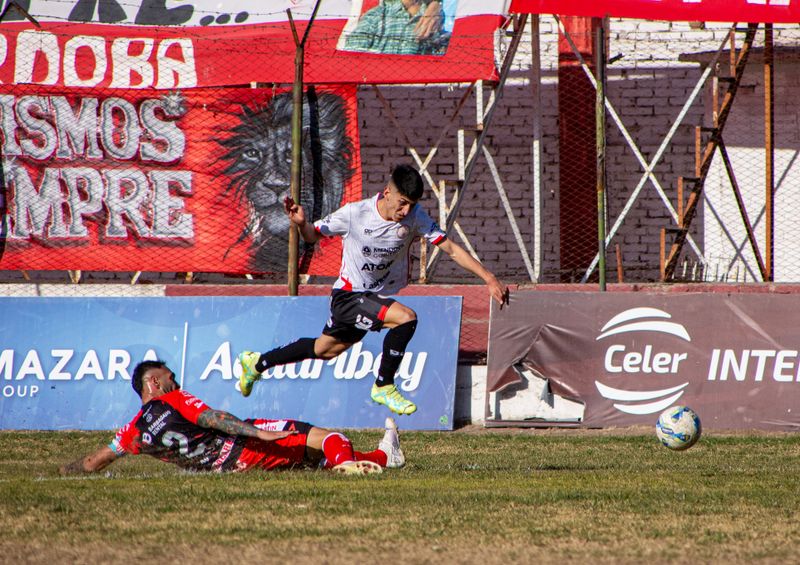
There is a moment, five or six seconds after a team loses the ball in the opposition half, where you can freeze the broadcast and see exactly why the goal is about to happen. The left-back is standing next to the holding midfielder. In the centre circle. His actual position, the one with grass in it, is forty metres behind his left shoulder and there is nobody in it.
Inverting a fullback is a build-up solution. It gives you a spare body in the first line of midfield, it lets your winger stay wide and isolated against a defender, and it means your centre-backs can split without the pivot getting swamped. All genuinely useful. The cost is not paid in possession. It is paid in the four seconds after you lose it.
The fix most coaches reach for is counterpressing, which is really just saying we will not lose it in a bad place. That works until you play someone who breaks the first press with one pass. Then the far-side winger is running at grass, and the covering centre-back has to make a forty-metre diagonal recovery to a touchline he does not want to be near, which drags the whole back line across and opens the far post.
The better answers are structural and less fashionable. One is to invert only on the side away from where you are attacking, so the rest defence is always shaped like a back three with the ball-far fullback holding width. Another is to invert high rather than deep, pushing the fullback into the half space next to the eight instead of alongside the pivot, so his recovery angle is at least in front of him. A third, and the one nobody likes because it sounds regressive, is to not do it at all, and instead ask a genuine midfielder to drop.
What annoys me is how the decision gets framed. Inverting is talked about as sophistication, as though a coach who keeps his fullbacks wide has simply not read the material. Plenty of very good sides keep them wide precisely because they have done the arithmetic on transition and decided the build-up gain is smaller than the exposure.
If your side inverts, watch the first ten minutes of the second half specifically. Legs are fresh, the game is stretched, and that empty channel is where the tactic gets audited.
ADVERTISEMENT
🧠 Quick Trivia
How many points is a touchdown worth in American football before the extra point?
Related Articles