Everybody inspects the grass at the toss, but almost nobody asks what the pitch is made of, and that is what decides how it ages.
Look at the soil before you pick your attack
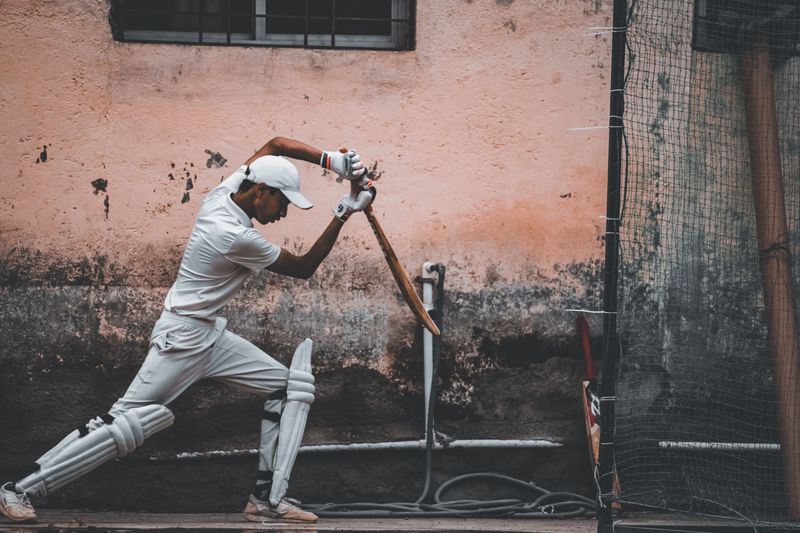
The pre-match ritual is always the same. Two captains, a coach, someone crouching down to press a thumb into the surface, a comment about the covering of grass. Nobody mentions the clay content and the clay content is what the whole match is going to be about.
Soil is why pitches at different grounds behave nothing alike even when they look identical under the same amount of grass. A high-clay black soil pitch binds tightly, holds together for longer, and when it does break it opens into big, clean cracks that make the ball behave unpredictably off the seam. A red soil surface with less clay tends to be softer, wears at the surface rather than splitting, and produces the slow, low turn that frustrates everyone. Same watering, same rolling, completely different fourth innings.
The practical consequence for selection is significant and I do not think most touring sides handle it well. On a hard, high-clay square that will crack, your wicket-taking route is variable bounce, which favours a tall seamer hitting a hard length and a spinner who bowls with pace and revs rather than loop, because he needs the ball to skid on and grip off the crack rather than sit up. On a softer, crumbling square you want the opposite: a spinner who tosses it up and asks the batter to come at him, and a seamer whose value is reverse swing rather than bounce.
Get it wrong and you spend two days bowling well and taking nothing. A skiddy spinner on a slow crumbling surface will beat the bat and never take an edge. A loopy one on a fast cracked pitch is a buffet.
The other thing soil decides is how much rolling helps. Heavy rolling on a high-clay pitch genuinely delays deterioration, which is why teams batting on those surfaces ask for the heavy roller before the fourth innings. On softer squares rolling can bring loose material to the top and make it worse.
You can find out most of this by simply asking the curator, who is usually delighted that someone asked. Two minutes of conversation, and the difference between picking the right second spinner and the wrong one. It is remarkable how rarely anybody bothers.
ADVERTISEMENT
🧠 Quick Trivia
How many points is a touchdown worth in American football before the extra point?
Related Articles