Defenders are coached to block a lane before anyone thinks of using it, and attacking football has quietly reorganised around that.
Cover shadows have nearly killed the pass into feet
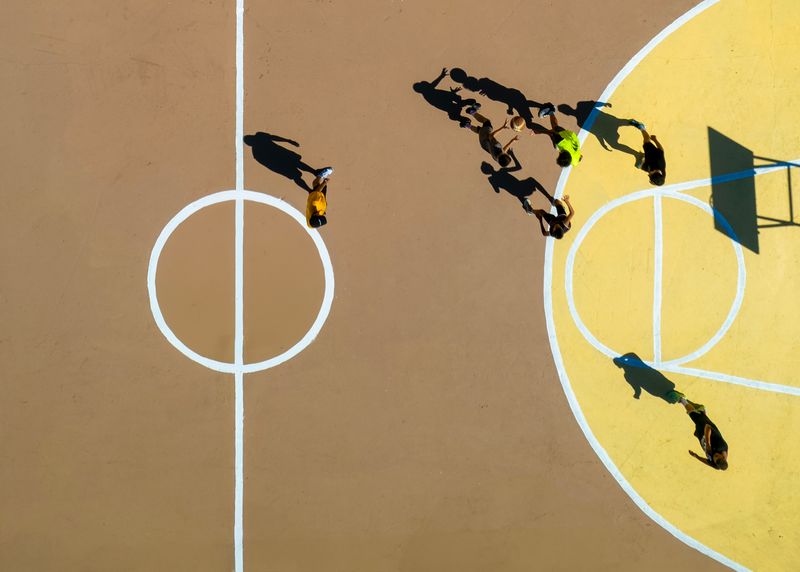
A cover shadow is a simple thing dressed in a fancy name. It is the space directly behind a defender, relative to the ball, where a pass cannot go because he is standing in the way. Press with your body angled correctly and you take a passing option off the board without touching anybody.
Once every academy started teaching it, one particular pass began to disappear.
The vertical ball into the striker's feet from a centre-back used to be the spine of building up. It is now the rarest option on the pitch in a lot of matches, because the pressing midfielder simply stands between the two of them with his shoulders open and the lane no longer exists. He does not need to be quick. He needs to be in the right postural position and to move sideways as the ball moves sideways, which is a skill you can teach a fifteen-year-old in a season.
Hence the whole architecture of modern build-up. The goalkeeper joining in as a spare man, the deep midfielder dropping between the centre-halves, full-backs stepping into midfield. None of that is aesthetic preference. It is arithmetic. You are trying to create one more angle than the presser has shadows.
And here is where I part company with the received wisdom. The false nine, the striker who drops deep to receive between the lines, is oversold as a solution. He comes short, drags a centre-back with him, and the ball still cannot reach him because the same shadow is still there, just twenty yards further up. What actually beats a cover shadow is a third man. Play into a wide player who is unmarked precisely because he is not dangerous, let him bounce it first time, and the ball arrives from a new angle where the shadow no longer applies. Boring. Effective.
The other beater is a deliberately bad pass. A ball driven into the striker's chest or hip rather than his feet, hard, so that he flicks it rather than controls it. Ugly on the highlights and enormously useful, because a flick is the only pass that is not stopped by geometry.
What we lost along the way was the thing that used to make a certain kind of number ten worth watching, the half-turn on the ball in a tight space with his back to goal. It still happens. Just far less, and increasingly only against sides that press badly.
ADVERTISEMENT
🧠 Quick Trivia
How many points is a touchdown worth in American football before the extra point?
Related Articles