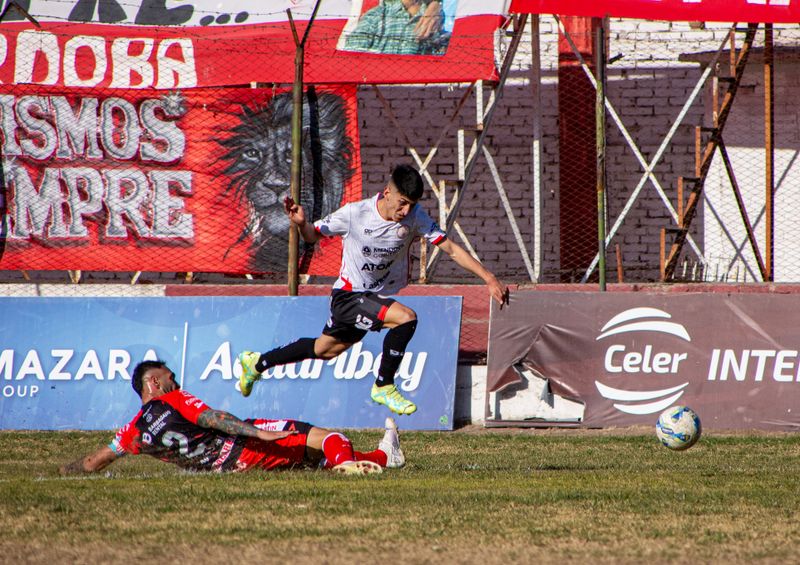
A coach stops the clock to draw up a play and hands the defence everything it needs, and the alternative is sitting right there.
Calling that timeout is usually the wrong move

Twelve seconds left, down by one, and a guard has just secured a rebound with the floor spread in front of him. The whistle goes. Timeout.
Sometimes that is correct. More often it throws away the best thing the offence had, which was a defence that had not been organised yet.
Think about what the stoppage gives the other side. Their coach gets to put in his best defensive lineup, which he could not do while the ball was live. He gets to tell his big to switch every screen and to foul if the shot is going to be a three. He gets a set defence, matched up, with everybody facing the right way. In exchange, the attacking side gets a drawn play that the opponent has scouted, running against defenders who now know how many seconds remain and where the ball is going.
Pushing the ball instead gives you a chaotic four seconds against a scrambling defence, which is where the highest-percentage shots in the sport live. A guard attacking a retreating opponent who has not identified his assignment will get to the rim or draw a foul more often than a set play will produce a good look. Watch how many game-winners come out of exactly that, and how many drawn plays end with a contested fadeaway over a switch.
The counterargument is the possession where somebody panics, takes a bad pull-up with eight seconds still on the clock, and everyone asks why the coach did not stop it. That is a real risk and it is a coaching problem, solved in practice by telling players what the rule is, not solved by stopping the game.
There is a second use of a timeout that I do like, and it gets confused with this one. Calling one to stop a run, when the opponent has scored eight straight and the crowd is up and your players are not talking to each other. That is a genuine intervention. Nobody argues about it because nobody can see what it prevented.
Late-game, though, the instinct to take control by stopping play is mostly about the coach feeling useful. The bench is not where that possession gets won.
ADVERTISEMENT
🧠 Quick Trivia
How many points is a touchdown worth in American football before the extra point?
Related Articles