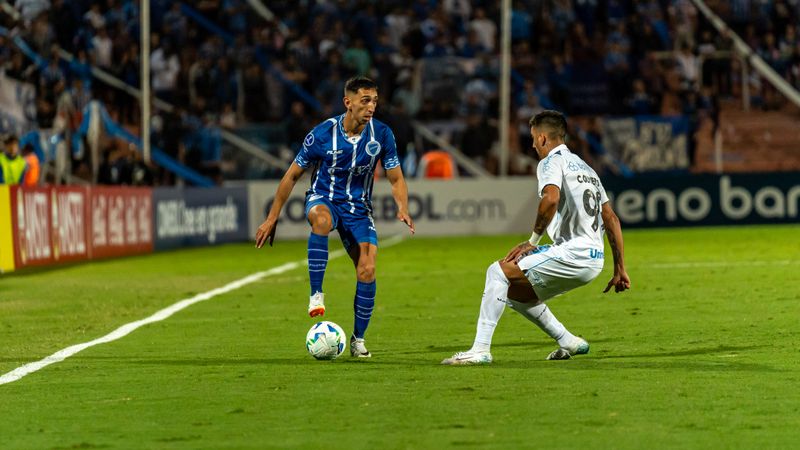
Fullbacks still sprint the touchline forty times a match, and increasingly the whole purpose is that the ball never arrives.
The overlap has become a decoy run and nobody gets credit for it
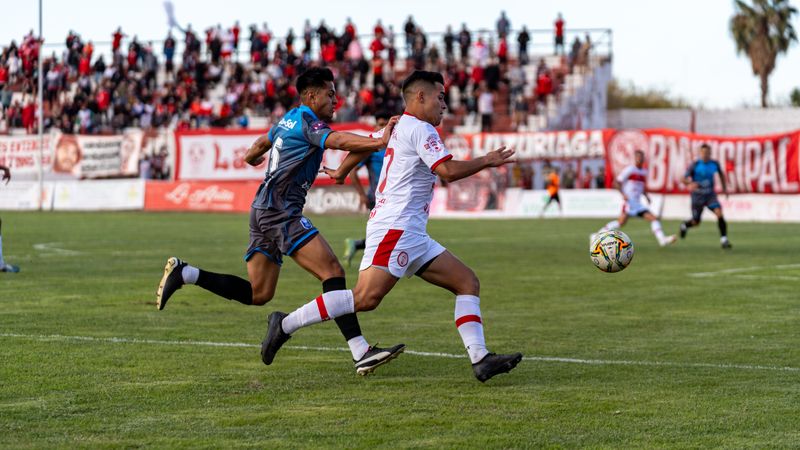
Sprint down the outside of your own winger, get the ball, cross it. That was the overlap for about seventy years and it produced a genuinely simple picture: two attackers, one fullback, someone is free.
Defenders solved it. Modern wide defending is not one against two any more, it is a fullback showing inside with a winger tucked behind him and a midfielder shuffling across, which means the overlapping runner arrives at the byline into a crowd and crosses into six bodies. Low percentage. So the run changed jobs.
What it does now is move one defender two yards. That is it. The fullback sprints outside, the opposition fullback's eyes go with him for a fraction of a second, his shoulders open, and the winger cuts inside into the gap that fractional turn created. The ball never leaves the winger's foot until he is on the edge of the box shooting, or slipping a pass into the space between centre-back and fullback. The overlapper finishes the move standing near the corner flag having touched nothing.
Watch a full match with your eyes on one fullback rather than on the ball and the ratio is startling. He will make the run again and again and receive it maybe four times. The other thirty-odd are pure geometry, and they still cost him the same sprint, which is why fullbacks are among the highest distance-covered players on the pitch and why they are usually the first legs to go around the seventieth minute.
The underlap is the run that actually gets the ball now. Inside the winger, into the half space, arriving somewhere you can shoot or square rather than cross. It is a better run and a harder one, because the timing has to be late and the receiving body shape has to be open, whereas an overlap you can basically just start running.
Which brings me to the thing that irritates me. Clubs keep signing fullbacks on crossing numbers when the role is increasingly about making a run they will not be rewarded for and then sprinting back forty metres when it breaks down. Crossing accuracy is close to useless as a scouting metric for a modern wide defender. Sprint repeatability, the decision on when to go outside versus inside, and the willingness to run hard for nothing at all. That last one you cannot measure. It is also the one that matters.
ADVERTISEMENT
🧠 Quick Trivia
How many points is a touchdown worth in American football before the extra point?
Related Articles